The Basque Txalaparta: A Unique Percussion Instrument
Qualities to Look for in a Music Teacher for Your Child
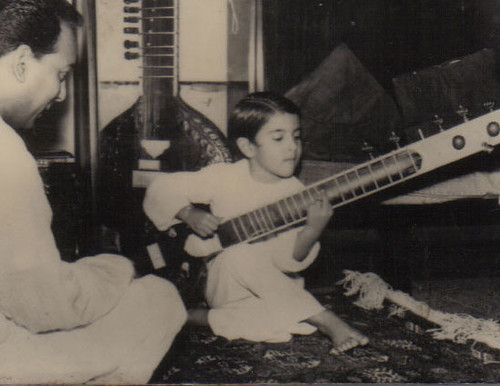
When faced with a music teacher you have initially chosen for you or for your children, here are some pointers to gauge their capacity. Some teachers allow you to sit in on their class and this is the perfect time to observe their techniques.
Is the teacher enthusiastic? Does the teacher motivate using stickers and prizes or, even better, by praising the nice thing about the music itself? Does the teacher demonstrate to the student how to practice? After watching the teacher in the studio, ask some questions:
What is the teacher's educational background and training? Is the teacher licensed to teach?
Where does the teacher perform? Good musicians and role models will perform and likewise teach. They will be involved in directing or attending workshops and other activities sponsored by professional organizations.
What sort of students does the teacher have? Does he or she work with novices and young children or just advanced students?
What kinds of goals does the teacher create for students? Good teachers would have both short-term and long-term goals.
What type of performance opportunities does the teacher offer for her students?
How many students does the teacher have? Does he or she teach all of these students in person?
Does the teacher use a single method entirely? Teachers may favor one method over another, but they tailor fit instruction to the student.
Does the teacher give the students chances to play with others? Some instruments, like the piano, can be isolating.
Generally speaking, it is much easier to overcome performance anxiety if one performs often. Not all "performances" have to be recitals. Playing at family parties or at nursing homes can be considered performing experience.
Good music teachers must be good communicators. If they have problems talking with parents, they will not do any better with students.
If a teacher appears more focused about enforcing rules than about determining the skill of the student, find another teacher. Some of this attitude can be learned by asking about practicing. Good teachers are more interested about effective practice than they are about the exact number of minutes spent during practice.
If the student has studied music before, the teacher would want to hear the student play to check where they should begin. A good teacher, however, won't criticize a previous teacher or that teacher's methods.
Teachers who are more concerned in telling you about their professional achievements than they are in learning about a prospective student may be a better bet as a performer than as a teacher. If your child is the prospective student, he or she must come with you to meet the teacher. Throughout this interview, a good teacher will talk with your child more than with you.
How to Find a Music Teacher For Your Child
Word -of-mouth is a good process to use to grow a list of possible music teachers for your child or yourself. As experts remark, laymen in the community might not be able to judge the musical value of the instruction, but they definitely know which teachers are producing students who love music. The local music teachers association can also give names of certified instructors. You may ask for a calendar of recitals being given by students of these suggested teachers. Attending a recital given by a teacher's students can tell you quite a bit. Were the students melodious—or mechanical? Were they well-prepared? Did they appear pleased with what they were able to do? University or college music departments normally have information about local music teachers. And musicians who teach in the public schools know teachers who can append your child's instruction in the school orchestra or band with private lessons. Additionally, well-informed staff in music stores can direct you to good teachers.
The method of teaching and learning, particularly when done one-on-one, is subtle and complex. A comfortable personality match is vital when searching for a music teacher.
Read more: How to Find a Music Teacher For Your Child
The Beauty Of Mozart's Symphony No 40
Wolfgang Amadeus Mozart’s 40th Symphony, or the G minor Symphony (which Wagner calls a work of “indestructible beauty”) was a product of Mozart’s personal travail he was experiencing during the time of its composition.
It does have an air of tragedy reflected even in the choice of the G minor key, which is associated with tragic emotions. The same key was used in The Magic Flute, in Pamina’s aria “Ach ich fuhls” as she wishes for death, and such works as the Symphony No. 25, the String Quartet K.478 share the same emotional climate. F.J. Fétis, a biographer, wrote “Although Mozart has not used formidable orchestral forces in his G minor Symphony, none of the sweeping and massive effects one meets in a symphony of Beethoven, the invention which flames his work, the accents of passion and energy that pervade and the melancholy colour that dominates it result in one of the most beautiful manifestations of the human spirit.” According to musicologist Eric Blom, in this symphony, Mozart blended romanticism with the Classical perfection of formal balances so that they meet in perfect equilibrium: “It is in this respect at least the perfect musical work.”
The History of Christmas Carols
The custom of caroling and Christmas carols is thought to have originated in England when roaming musicians would go from town to town and visit castles and other houses of the rich to give unrehearsed performances. But there also is the notion that singing carols at Christmas probably came from the group of angels, shepherds and who visited Jesus at his birth, since they worshiped the holy child, sang and proclaim praises unto Him. And after their visit, they went on with their declarations in the street.